
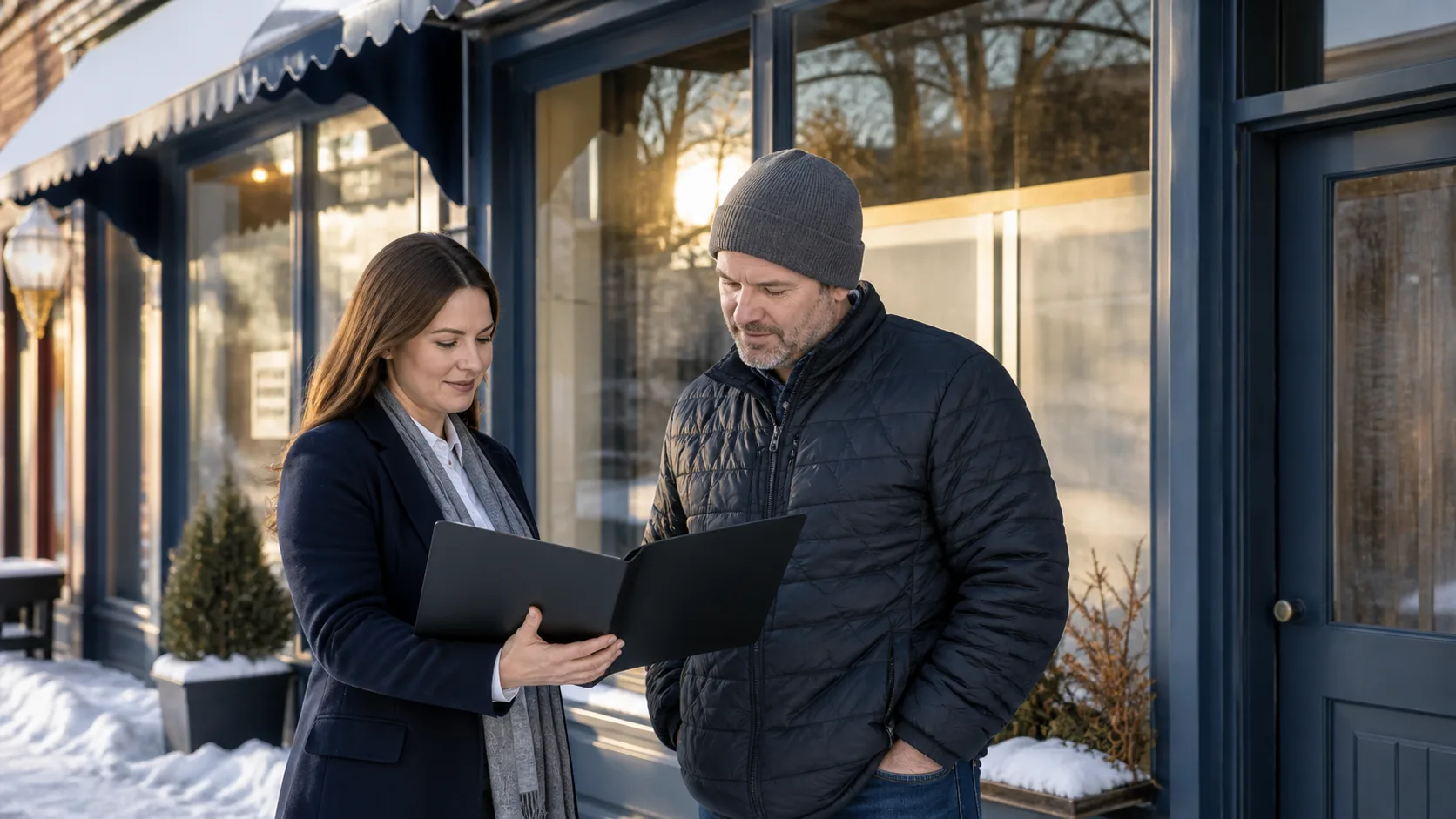
Protect Your Property Before the Winter Lights Go Out
Winter shutdowns can leave a business property exposed even when the doors are locked and the lights are off. Whether you are closing for a seasonal slowdown, renovations, a relocation, or an unexpected pause, cold weather and property damage risks can keep working behind the scenes.
In the tri-state area, we often see winter conditions create trouble for buildings that are sitting quiet. Frozen pipes, snow-related damage, break-ins, and water leaks do not wait for employees or customers to return. At IHS Insurance Services, we help business owners look at how a shutdown may affect commercial property coverage before a small issue becomes a much bigger one.
Know When a Winter Closure Creates a Vacancy Risk
Closing a business does not always make it a vacant business. A short holiday closure, remote work setup, or reduced business hours may not create a vacancy concern under your policy. Still, a building with little activity, limited furnishings or equipment, and no clear plan for near-term occupancy can be treated differently.
Policy language matters here. Many commercial property policies include a vacancy provision after a certain number of consecutive days, often 60 days, but the wording can vary by insurer and by whether you own or rent the space. A sign that says “temporarily closed” may explain your plans to customers, but it does not automatically settle the insurance question.
Consider a coverage review when your situation looks like one of these:
- A restaurant is closed for renovations
- An office is moving to a new location
- A retail space is waiting for a tenant
- A warehouse has paused operations
- A seasonal business will not reopen until spring
In a review, we can help you compare your policy language with what is actually happening at the property. That conversation can make it easier to determine whether vacancy insurance or another coverage adjustment makes sense.
Understand What Vacancy Insurance May Cover
Vacancy insurance is designed to help address coverage concerns that may arise when a commercial building sits empty. Depending on the policy and any endorsement, it may help preserve or broaden protection for certain property losses during a vacancy period. It is not a replacement for a standard commercial property policy, and the details deserve a close look.
Cold weather makes some losses especially concerning because damage can go unnoticed for days or weeks. A small leak may become a serious water problem when nobody is there to spot it. Broken windows, theft, vandalism, sprinkler-system trouble, and storm damage can also become more difficult to manage when a building has little regular activity.
Many standard policies may limit coverage for certain types of losses during a vacancy period. In some cases, other covered losses may be paid differently than they would be for an occupied building. That is why we encourage business owners not to assume their usual coverage will work the same way after a prolonged closure.
Beyond the building itself, we also look at property and responsibilities such as:
- Business personal property left inside
- Equipment, inventory, and furnishings
- Landlord-owned improvements
- Outdoor signs and exterior features
- Liability risks around the property
Any thoughtful review should account for the property’s condition, the expected length of the shutdown, and any insurance requirements in a lease, loan, or other agreement.
Reduce Winter Losses While Your Doors Are Closed
Pairing insurance with a solid winter shutdown plan works best. Keeping heat at a safe minimum, protecting exposed pipes, and knowing where the main water shutoff is located can help reduce the chance of a major water loss. If a building will be empty for an extended time, a qualified service professional can advise on the safest way to handle plumbing and building systems.
Consistent property checks are another smart layer of protection. Arrange for an employee, property manager, or trusted service provider to inspect the building on a consistent schedule. Those checks should be documented, since inspection records may be useful if you need to report a claim later.
Typical routine inspections can include looking for:
- Heat failures, leaks, or water stains
- Storm damage, broken windows, or roof concerns
- Alarm, camera, or exterior-lighting problems
- Mail buildup or signs of forced entry
- Snow and ice hazards near entrances and walkways
Both security and fire protection systems should remain active and in good working order while the building is closed. Emergency contacts also need to be current, so the right person can respond quickly if an alarm goes off or a problem is found. Snow and ice removal should not stop just because customers are away, since liability risks can remain in parking areas, sidewalks, and entryways.
Review Coverage Gaps Before a Claim Tests Them
Discussing vacancy insurance is best done before a closure becomes prolonged. Once a burst pipe, break-in, or winter storm causes damage, there may be fewer options available. We encourage clients to review commercial property coverage as soon as a shutdown begins to look possible.
For that review, useful details include your anticipated closure dates, how often the property will be inspected, whether heat and utilities will remain on, and what equipment or inventory will stay inside. Renovation plans, tenant changes, and construction activity can matter too. These details help us identify policy terms, exclusions, deductibles, limits, and endorsements that may apply.
Different property types, such as a small storefront, multi-unit office building, and warehouse, can have very different vacancy exposures. Our team at IHS Insurance Services can help business owners understand the questions worth asking and compare coverage options when a property’s use is changing.
Take a Winter Shutdown Seriously
An unoccupied building should not mean an unprotected building. Before locking up for an extended period, review how your policy defines vacancy, confirm how long the space may be inactive, and make sure someone is responsible for regular checks and winter maintenance.
Early planning before the weather turns can help prevent unpleasant surprises later. Keep your coverage details, emergency contacts, inspection plans, and building safeguards organized so you are better prepared if winter decides to test the property while nobody is there.
Protect Your Property Through Every Season
At IHS Insurance Services, we can help you review vacancy insurance options that fit your property and its unique risks. Our team will walk you through the coverage details and answer questions without making the process feel like a chore. When you are ready to talk through your needs, contact us for personalized guidance.